
Your comprehensive buying guide — from budget planning to picking up the keys
By Daniela Pelliccia · Updated April 2026 · 20 min read
Buying property in Luxembourg can feel overwhelming. Whether you are an expat who has recently relocated, a long-term resident ready to invest, or a cross-border worker who has finally decided to put down roots, the Luxembourg buying process involves a series of legal, financial, and administrative steps that differ significantly from what you may know in your home country. The terminology is mostly French, the notary system is unique, and the fees can surprise you if you have not planned ahead.
The good news? Once you understand how the process works, it becomes far more manageable than it first appears. I have guided hundreds of buyers through every stage of this journey — from the very first budget calculation all the way to the moment they receive their keys. In this complete step-by-step guide for 2026, I will walk you through every phase so you know exactly what to expect, what each step costs, and how to avoid the most common pitfalls. If you want broader context on whether now is a good time to enter the market, read our complete 2026 market analysis before diving in.
By the end of this guide, you will have a crystal-clear roadmap — from calculating your total budget and securing mortgage pre-approval, through the compromis de vente, all the way to signing the acte de vente at the notary. Let us get started.
Overview — The Luxembourg Buying Process at a Glance
Before we break down each step in detail, here is the big picture. A typical property purchase in Luxembourg takes between three and six months from the moment you begin your search to the day you collect the keys. Some transactions close faster — particularly for cash buyers or those purchasing new-build apartments — while others take longer if complex mortgage approvals or specific suspensive conditions are involved.
The process follows a well-established sequence that has remained largely unchanged for decades, built around the central role of the notaire (notary). Unlike many Anglo-Saxon systems where solicitors or attorneys handle the legal transfer, in Luxembourg a single public-appointed notary oversees the entire transaction for both buyer and seller, ensuring impartiality and legal compliance.
| Step | Description | Estimated Duration |
|---|---|---|
| 1 | Define budget & get mortgage pre-approval | 1–3 weeks |
| 2 | Find the right property | 2–12 weeks |
| 3 | Make an offer (offre d'achat) | 1–5 days |
| 4 | Sign the compromis de vente | 1–3 weeks after offer accepted |
| 5 | Finalize your mortgage | 3–6 weeks |
| 6 | Sign the acte de vente at the notary | 4–8 weeks after compromis |
| 7 | Get keys, registration & move in | Same day or within 1 week |
What this means for you: Start your mortgage pre-approval process as early as possible — ideally before you even begin visiting properties. This gives you the strongest negotiating position and prevents delays later.
Step 1 — Define Your Budget & Get Pre-Approved
The very first thing you need to do — before browsing listings, before attending a single viewing — is understand exactly how much you can afford. In Luxembourg, the price you see on a listing is only part of the story. On top of the purchase price, you must budget for notary fees, registration taxes, and potentially agency fees. These additional costs typically add between 8% and 11% to the total price for existing properties, and around 3–4% for new-build properties (VEFA) that benefit from reduced registration duties.
How to Calculate Your Total Budget
Start with your available equity — your savings, any family contributions, and any existing property equity. Then factor in how much a bank will lend you. In Luxembourg, most banks will finance up to 80% of the property value (loan-to-value or LTV), though some offer up to 90% or even 100% for specific profiles, particularly young professionals or civil servants. For a detailed breakdown of mortgage options and rates in 2026, see our mortgage guide.
A critical rule of thumb used by Luxembourg banks: your total monthly debt repayments should not exceed 35–40% of your net monthly household income. This includes not only your future mortgage payment but also any existing loans, car leases, or credit lines.
Getting Mortgage Pre-Approval
Mortgage pre-approval (or accord de principe) is a conditional commitment from a bank confirming they are willing to lend you a certain amount, subject to the property meeting their criteria. In my experience guiding buyers through this process, having a pre-approval letter in hand before you begin your search is one of the single most impactful things you can do. It tells sellers and agents that you are a serious, qualified buyer — and in a competitive market like Luxembourg's, that distinction matters enormously.
To get pre-approved, you will typically need to provide:
- Last 3 months of payslips
- Employment contract (CDI preferred)
- Last 3 months of bank statements
- Proof of equity (savings account statements)
- Identity documents
- Existing loan documentation (if applicable)
Most Luxembourg banks can issue a pre-approval within 5–10 business days. I recommend approaching at least two or three banks to compare conditions. The interest rate you receive, the insurance terms, and the flexibility of the repayment schedule can vary significantly between institutions.
What this means for you: Before you fall in love with a property at the top of your budget, make sure you have headroom for the ancillary costs. Getting pre-approved first ensures you shop within your true means.
Step 2 — Find the Right Property

Finding the right property — working with an experienced agent saves you time and money in Luxembourg's competitive market
With your budget defined and pre-approval in hand, it is time to begin your property search. Luxembourg is a small country geographically, but the market is diverse — from high-rise apartments in Luxembourg City's Kirchberg district to charming village houses in the Moselle region. Where you buy, and what type of property you choose, will shape both your lifestyle and your long-term investment returns. For a detailed look at the best areas for your profile, explore our neighbourhood guide.
Working with an Agent vs. Searching Alone
You can certainly search independently using major portals. However, what I always tell my clients at this stage is that working with a knowledgeable local agent saves far more than it costs — in time, in negotiation leverage, and in avoiding costly mistakes. A good agent knows which properties are about to come on the market, which ones are overpriced, and how to position your offer for the best chance of acceptance.
In Luxembourg, the seller typically pays the agency commission, which means that as a buyer, you often benefit from professional guidance at no direct cost. This is a significant advantage that many expats are not aware of.
What to Look for During Viewings
When evaluating properties, pay close attention to:
- Energy performance certificate (CPE): Luxembourg uses an energy classification system from A to I. Class A–C properties are highly efficient and command premium prices but save significantly on utility bills. From 2026, properties with poor energy ratings face increasing scrutiny from lenders.
- Location fundamentals: Proximity to public transport, schools, shops, and your workplace. In Luxembourg, commute times can vary dramatically even over short distances due to traffic congestion.
- Condition and renovation needs: A lower-priced property that requires significant renovation may end up costing more than a turnkey alternative once you factor in materials, labor, and the time value of delays.
- Charges de copropriété: If you are buying an apartment, ask for the last 12 months of co-ownership charges and check if any major works (ravalement, roof, elevator) are planned — these can trigger special assessments.
- Orientation and natural light: South-facing living areas are highly valued in Luxembourg's climate and have a tangible impact on resale value.
Ready to Start Your Property Search?
Let Daniela help you find the perfect property that matches your budget, lifestyle, and investment goals.
📊 Find Your Property 💬 WhatsApp DanielaStep 3 — Make an Offer (Offre d'Achat)
You have found a property you love. Now comes one of the most critical moments in the buying process: making an offer. In Luxembourg, this step carries more legal weight than many buyers realize, and understanding its implications is essential before you put pen to paper.
How Offers Work in Luxembourg
An offer to purchase — known as an offre d'achat — is a formal, written document in which you state the price you are willing to pay and any conditions attached to the purchase. Once the seller accepts your written offer, it becomes a legally binding agreement. This is a crucial distinction from some other markets where offers are non-binding until contracts are exchanged.
From what I have observed in recent transactions, many first-time buyers in Luxembourg underestimate the binding nature of the offer. Once signed by both parties, walking away without a valid legal reason (such as a suspensive condition not being met) can result in the other party claiming damages. This is why it is so important to get the offer right from the start.
Written vs. Verbal Offers
While verbal offers are sometimes exchanged during negotiations, only a written offer has legal force. I strongly advise my clients to never make a verbal commitment they are not prepared to honor in writing. Conversely, do not assume a seller's verbal "yes" is final until you have their signature on paper.
Negotiation Tips
Effective negotiation in the Luxembourg property market requires a blend of data, timing, and local knowledge:
- Know the market: Research comparable recent sales in the area. Your agent can provide transaction data and help you understand whether the asking price is in line with market reality.
- Justify your offer: A lower offer is more likely to be considered if it is backed by reasoning — for example, pointing to necessary renovations, a below-average energy rating, or comparable properties available at a lower price.
- Move quickly: In sought-after areas like Belair, Limpertsberg, or Esch-sur-Alzette centre, desirable properties can receive multiple offers within days. Having your pre-approval ready gives you an edge.
- Consider the seller's priorities: Sometimes a slightly lower offer with a fast timeline or flexible completion date can win over a higher offer with complicated conditions.
- Include suspensive conditions wisely: Always include a condition for mortgage approval. You may also include conditions related to the results of a technical survey, but avoid excessive conditions that make your offer less attractive.
What this means for you: Never sign an offer without ensuring it includes a suspensive condition for mortgage approval (unless you are a cash buyer). Have your agent or legal adviser review the document before you sign.
Step 4 — The Compromis de Vente (Sales Agreement)

The compromis de vente — the binding agreement that secures your property purchase in Luxembourg
The compromis de vente — sometimes called the promesse de vente — is the cornerstone legal document in the Luxembourg property buying process. It is the bilateral agreement between buyer and seller that sets out all the terms and conditions of the sale. Think of it as the detailed contract that governs everything between the initial agreement and the final notarial deed.
What the Compromis de Vente Contains
The compromis is a comprehensive document, typically drafted by the notary or by the seller's agent, that includes the identities of buyer and seller, the full description of the property (cadastral references, surface area, fixtures included), the agreed purchase price, the payment terms, the deposit amount, and all applicable conditions. I have seen many deals fall through because of poorly drafted compromis documents, so it is essential that you review every clause carefully — ideally with professional guidance.
Conditions Suspensives (Suspensive Conditions)
These are conditions that must be met for the sale to proceed. If a suspensive condition is not fulfilled within the agreed timeframe, the sale is cancelled and your deposit is returned. The most common suspensive conditions in Luxembourg include:
- Mortgage approval: The sale is conditional on you obtaining financing. This is the most important condition for any buyer who is not paying cash.
- Building permit: If you intend to modify or extend the property, you may make the sale conditional on obtaining the necessary permits.
- Sale of your existing property: If you need to sell your current home before completing the purchase.
- Technical survey results: The sale may be conditional on the property passing a structural or technical inspection.
The Deposit
Upon signing the compromis, the buyer is typically required to pay a deposit of 10% of the purchase price. This deposit is held in the notary's escrow account (not paid directly to the seller) and is deducted from the total price at completion. If you withdraw from the sale without a valid suspensive condition being triggered, you may forfeit this deposit. Conversely, if the seller pulls out, they may be required to pay you double the deposit amount.
| Element | Description | Important Notes |
|---|---|---|
| Parties | Full names, addresses, and identification of buyer and seller | Must match identity documents exactly |
| Property description | Address, cadastral references, surface area, parking, cellar | Verify surface area against your own measurements |
| Purchase price | The agreed price in euros | Clearly state if furnishings are included separately |
| Deposit | Typically 10% of purchase price | Held in notary's escrow account |
| Conditions suspensives | Mortgage approval, building permits, sale of existing property | Each must have a clear deadline (typically 4–8 weeks) |
| Completion deadline | Date by which the acte de vente must be signed | Usually 2–4 months from compromis signing |
| Inventory of fixtures | List of items included in the sale (kitchen, built-ins, etc.) | Be specific — ambiguity causes disputes |
| Energy performance certificate | Current CPE classification of the property | Mandatory disclosure by seller |
One thing that often surprises my international clients is the strength and finality of the compromis de vente. In many countries, buyers have a cooling-off period after signing the preliminary agreement. In Luxembourg, there is generally no statutory cooling-off period for the compromis — once you sign, you are committed (subject to the suspensive conditions). This makes it absolutely vital that you understand every clause before adding your signature.
Step 5 — Finalize Your Mortgage
With the compromis de vente signed, the clock starts ticking. You now need to convert your mortgage pre-approval into a formal, unconditional mortgage offer. This is where your earlier preparation pays off — if you already have pre-approval and have been in dialogue with your bank, this step should progress smoothly.
From Pre-Approval to Final Offer
The bank will now evaluate the specific property you are buying. They will typically require a property valuation (either desk-based or via physical inspection) and will review the compromis de vente to ensure the terms align with their lending criteria. Once satisfied, the bank issues a formal mortgage offer — the offre de prêt — which you must accept and sign.
In Luxembourg, most mortgage offers include a 14-day reflection period during which you can review the terms. After accepting, the bank coordinates with the notary to ensure funds are available for the completion date.
Documents Needed for Final Mortgage Approval
While you provided preliminary documents for pre-approval, the bank will now request a more comprehensive set.
| Document | Details |
|---|---|
| Signed compromis de vente | The bilateral sales agreement |
| Last 3 payslips | Most recent — must be current |
| Employment contract | CDI strongly preferred; CDD may require additional guarantees |
| Last annual tax return | Luxembourg tax declaration or equivalent from home country |
| Bank statements (3–6 months) | All accounts held, showing regular income and savings capacity |
| Proof of equity / down payment | Savings account statements, gift letters if applicable |
| Identity documents | Valid passport or ID card for all borrowers |
| Proof of residence | Recent utility bill or certificate of residence |
| Existing loan schedules | Amortization tables for any current debts |
| Property energy certificate (CPE) | Provided by the seller — required by most banks |
| Life insurance quote | Most banks require borrowers to take out assurance solde restant dû |
For a much more detailed walkthrough on choosing between fixed and variable rates, understanding insurance requirements, and comparing bank offers, be sure to read our mortgage guide which covers everything you need to know about financing your Luxembourg property purchase in 2026.
Step 6 — The Notary & the Acte de Vente
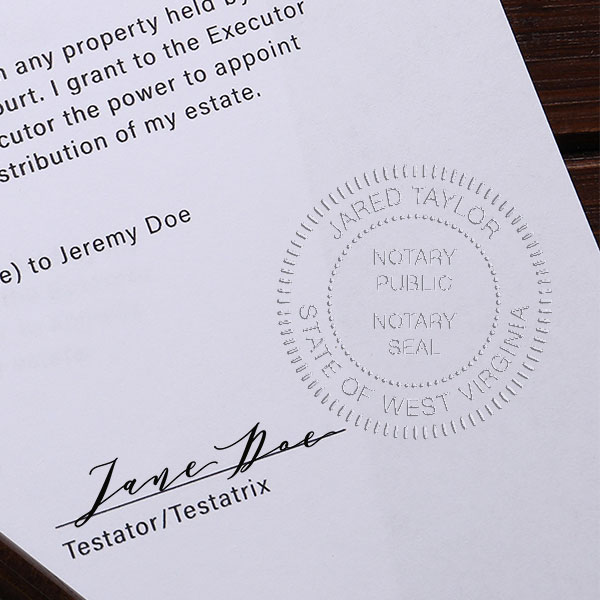
The notary's office — where your property purchase becomes legally official in Luxembourg
The acte de vente — the final deed of sale — is the culmination of the entire buying process. This is the moment when ownership officially transfers from seller to buyer, and it takes place in the notary's office. In Luxembourg, the notary plays a uniquely central role that goes far beyond what a lawyer or solicitor does in other systems.
The Role of the Notary in Luxembourg
The notary (notaire) is a public official appointed by the Grand Duke. They are legally required to be impartial — they represent neither buyer nor seller but rather the integrity of the transaction itself. The notary's responsibilities include:
- Verifying the legal status of the property (ownership, liens, mortgages, easements)
- Ensuring all taxes and charges are current
- Drafting the final deed of sale
- Reading the deed aloud to both parties
- Collecting and distributing the purchase price
- Registering the new ownership with the land registry (cadastre)
- Collecting and remitting the applicable taxes and registration fees
In most transactions, the seller chooses the notary, but as a buyer you have the right to appoint your own notary as well. In that case, both notaries share the work and the fees — the cost to you does not double. What I always tell my clients at this stage is that having your own notary review the deed can provide an extra layer of protection, particularly for high-value transactions or when complex legal situations are involved.
What Happens at the Signing
On the day of the signing, all parties gather at the notary's office. The notary reads the entire acte de vente aloud — this is a legal requirement, not just a formality. The reading can take 30 to 60 minutes depending on the complexity of the transaction. Both buyer and seller then sign the deed, and the notary authenticates it with their seal.
The bank (if you have a mortgage) will have transferred the funds to the notary's escrow account in advance. The notary releases the funds to the seller, deducts the applicable taxes and fees, and the transaction is complete. You will receive a certified copy of the deed; the original remains with the notary.
Notary Fees and Registration Costs
The buyer is responsible for paying the notary fees and registration taxes. These are the single largest additional cost in the buying process. The main components are:
- Registration duty (droit d'enregistrement): 6% of the property value for existing properties. New-build (VEFA) may qualify for reduced rates or exemptions.
- Transcription fee (droit de transcription): 1% of the property value.
- Notary's professional fees: Set by law based on a sliding scale tied to the transaction value. Typically 1–1.5% of the property price.
- Administrative costs: Land registry searches, document preparation, copies. Usually a few hundred euros.
| Property Value | Registration Duty (6%) | Transcription (1%) | Notary Fees (~1.2%) | Admin & Misc | Total Fees |
|---|---|---|---|---|---|
| EUR 400,000 | EUR 24,000 | EUR 4,000 | EUR 4,800 | EUR 500 | EUR 33,300 |
| EUR 500,000 | EUR 30,000 | EUR 5,000 | EUR 6,000 | EUR 500 | EUR 41,500 |
| EUR 600,000 | EUR 36,000 | EUR 6,000 | EUR 7,200 | EUR 500 | EUR 49,700 |
| EUR 750,000 | EUR 45,000 | EUR 7,500 | EUR 9,000 | EUR 600 | EUR 62,100 |
| EUR 1,000,000 | EUR 60,000 | EUR 10,000 | EUR 12,000 | EUR 700 | EUR 82,700 |
What this means for you: These fees are payable on completion day and cannot be financed through your mortgage in most cases. Make sure this cash is available and separate from your down payment.
Step 7 — Get Your Keys & What Comes After

The moment every buyer waits for — getting the keys to your new Luxembourg home
Congratulations — you have signed the acte de vente. The notary hands you the keys (or you collect them from the seller at an agreed time), and you are officially a property owner in Luxembourg. But the journey does not quite end at the notary's door. There are several important steps to take in the days and weeks following completion.
Registration and Administrative Steps
The notary handles the registration of the new ownership with the Administration de l'Enregistrement, des Domaines et de la TVA and the cadastre. You will receive official confirmation once this is processed, which can take several weeks. In the meantime, you have full legal ownership based on the signed deed.
Insurance
You should have building insurance (assurance habitation) in place from the day of completion. Most banks require proof of insurance as a condition of releasing the mortgage funds. If you are buying an apartment, the building insurance is usually covered by the copropriété, but you still need contents insurance and liability coverage for your individual unit.
Moving In — First Steps as an Owner
- Utilities: Transfer or set up contracts for electricity (Enovos/Electris), gas, water, and internet. Notify the commune of your new address.
- Commune registration: If you are moving communes, register at the new bureau de la population within 8 days of moving in.
- Meter readings: Take meter readings on the day you receive the keys and send them to all utility providers to establish a clear boundary between your consumption and the previous owner's.
- State of play inventory: Conduct a thorough walk-through of the property, documenting the condition with photos and notes. This is particularly important for new-build properties where you may need to submit a liste de réserves (snag list) within a set period.
- Tax declarations: Inform the Administration des Contributions Directes that you are now a property owner. This affects your annual tax return, particularly regarding deductible mortgage interest and Bëllegen Akt credits.
Total Costs Breakdown
One of the most common questions I receive from buyers is: "What will the total cost actually be?" To give you complete clarity, here is a detailed breakdown for a typical existing-property purchase at EUR 600,000 — the approximate median price for a 2-bedroom apartment in Luxembourg City as of early 2026.
| Cost Item | Amount (EUR) | % of Purchase Price |
|---|---|---|
| Purchase price | 600,000 | 100.0% |
| Registration duty (droit d'enregistrement) | 36,000 | 6.0% |
| Transcription fee | 6,000 | 1.0% |
| Notary professional fees | 7,200 | 1.2% |
| Administrative and misc. costs | 500 | 0.1% |
| Mortgage deed registration | 3,600 | 0.6% |
| Bank arrangement fee (est.) | 1,500 | 0.25% |
| Property valuation fee | 400 | 0.07% |
| Home insurance (first year) | 600 | 0.1% |
| TOTAL COST | 655,800 | ~109.3% |
What this means for you: Always reserve at least 10% of the purchase price in liquid funds for fees. If you are counting on the Bëllegen Akt credit, confirm your eligibility with the notary before finalizing your budget.
Real Client Example: How Thomas & Maria Bought Their First Apartment
To bring this entire process to life, let me share the story of Thomas and Maria (names changed for privacy) — a couple I recently guided through their first property purchase in Luxembourg. Their experience is representative of what many expat first-time buyers go through, and it illustrates how each step of the process connects in practice.
The Background
Thomas is a German IT professional working at a major institution in Kirchberg. Maria is a Portuguese marketing specialist at a Big Four firm on Boulevard Royal. They had been renting a one-bedroom apartment in Bonnevoie for two years, paying EUR 1,800 per month, and they were tired of watching that money disappear with no asset to show for it. They wanted to buy — but they had no idea where to start.
Step by Step: Their Journey
Week 1–2 — Budget and Pre-Approval: We started with a thorough analysis of their finances. Combined net household income was approximately EUR 9,500 per month. They had EUR 75,000 in savings. After accounting for the 35% debt ratio guideline and the need to cover fees, we established a realistic purchase budget of EUR 550,000–600,000. They approached three banks and secured pre-approval within 10 days, with the best offer coming at a fixed rate of 3.15% over 20 years.
Week 3–8 — Property Search: Based on their commute requirements and budget, I recommended they focus on Gasperich, Hesperange, and parts of Esch-sur-Alzette. We visited nine properties over six weeks. Several were overpriced, two were already under offer, and one had undisclosed co-ownership issues I identified during my due diligence. In week seven, we found a beautifully renovated 75m² apartment in Gasperich — energy class B, two bedrooms, one parking spot, listed at EUR 585,000.
Week 9 — The Offer: I advised offering EUR 565,000, backed by data from three comparable recent sales in the same building and neighbourhood. The seller countered at EUR 575,000. We accepted, and I drafted the written offer with a suspensive condition for mortgage approval within six weeks. Both parties signed.
Week 10–11 — Compromis de Vente: The notary prepared the compromis, which we reviewed together line by line. I flagged an ambiguity regarding the fitted kitchen (which the sellers initially wanted to exclude) and we negotiated its inclusion at no extra cost. Thomas and Maria paid the 10% deposit — EUR 57,500 — into the notary's escrow account.
Week 12–16 — Mortgage Finalization: The bank conducted their property valuation, which came back at EUR 580,000 — close enough to the purchase price that they were comfortable proceeding with the loan. The formal mortgage offer arrived in week 14, and Thomas and Maria accepted it after the reflection period.
Week 18 — Acte de Vente: On a Tuesday morning in the notary's office in Luxembourg City, the deed was read aloud — in French, with the notary explaining key passages in English for Maria's benefit. The signing took about 45 minutes. That afternoon, Thomas and Maria collected their keys. Total additional fees came to approximately EUR 51,200.
The Outcome
Thomas and Maria moved in the following weekend. Their monthly mortgage payment — EUR 2,450 including insurance — is roughly EUR 650 more per month than their previous rent, but they are now building equity in an asset located in one of Luxembourg's fastest-appreciating neighbourhoods. They are also benefiting from mortgage interest deductions on their tax return. Six months after purchase, comparable units in their building were listed at EUR 595,000 — already above what they paid.
In my experience guiding buyers through this process, the couples and families who succeed do three things consistently: they get financially prepared before they start searching, they work with a professional who knows the local market intimately, and they make informed decisions rather than emotional ones.
Get a Free Property Valuation
Thinking about buying? Start with a clear picture of what your budget can get you in today's Luxembourg market. Daniela provides complimentary property valuations so you know exactly where you stand.
📊 Free Property Valuation 💬 WhatsApp DanielaCommon Mistakes Buyers Make in Luxembourg
After years of working with buyers from every background imaginable, I have compiled a list of the most frequent and costly mistakes I see. Avoiding these will save you money, time, and stress.
1. Not Understanding the Binding Nature of the Compromis de Vente
This is, without question, the single biggest area of confusion among international buyers. Many come from systems where preliminary agreements are non-binding, where cooling-off periods are standard, or where a buyer can withdraw simply by forfeiting a small deposit. In Luxembourg, the compromis is a serious legal commitment. I have seen many deals fall through — and buyers lose their deposits — because they signed without fully understanding the implications. Always read the compromis in its entirety, ask questions about every clause you do not understand, and ideally have your own notary or legal adviser review it before you sign.
2. Underestimating the Total Fees
Too many buyers budget only for the purchase price and are then shocked to discover they need an additional 8–11% in cash to cover registration duties, notary fees, mortgage registration, and other costs. I have had clients who found their dream property only to realize they could not afford the fees, forcing them to either scramble for additional funds or walk away entirely. The solution is simple: calculate your total budget (price + all fees) from day one.
3. Not Getting Mortgage Pre-Approval Before Searching
This mistake wastes time and weakens your negotiating position. Without pre-approval, you might spend weeks searching for properties in a price range your bank will not finance. You also risk losing out on a property to a buyer who can demonstrate they are already financially qualified. The pre-approval process takes only 5–10 business days — there is no reason not to do it first.
4. Skipping Professional Guidance
Luxembourg's property market has its own rules, customs, and legal frameworks. What works in London, Paris, or New York does not necessarily apply here. The cost of a knowledgeable agent is typically borne by the seller, which means you can get expert guidance at no direct cost to you. Trying to navigate the process alone — particularly as an expat unfamiliar with French legal terminology — significantly increases your risk of making costly errors.
5. Ignoring the Energy Performance Certificate
Energy efficiency is not just an environmental concern — it directly affects your running costs, your mortgage terms, and your property's future resale value. A class G or H property might be cheaper upfront but could cost hundreds of euros more per month in heating and may face tighter lending conditions as Luxembourg continues to tighten its energy regulations. Always factor the CPE into your decision-making.
6. Making Emotional Decisions Under Time Pressure
Luxembourg's competitive market can create a sense of urgency that leads buyers to overpay or skip important due diligence. While you need to move quickly on good opportunities, "quickly" should not mean "recklessly." A pre-prepared buyer with professional support can move fast without cutting corners.
Special Considerations for Expats Buying Property in Luxembourg
Luxembourg is one of the most international countries in the world — nearly half the resident population holds a foreign passport, and the workforce includes hundreds of thousands of cross-border commuters from France, Belgium, and Germany. The property market reflects this diversity, and the system is generally very welcoming to international buyers. Here are the key considerations to keep in mind.
No Nationality Restrictions
There are no restrictions on foreign nationals buying property in Luxembourg. Whether you are an EU citizen, a third-country national, a resident, or a non-resident, you have the same right to purchase real estate as a Luxembourg citizen. This makes Luxembourg one of the most accessible property markets in Europe for international buyers.
Language at the Notary
The acte de vente and other legal documents are typically drafted in French, which is the primary legal language for property transactions in Luxembourg. Some documents may be in German, depending on the notary and the region. Luxembourgish is used in everyday life but rarely for legal documentation.
If you do not speak French or German fluently, the notary will explain the content in a language you understand — many Luxembourg notaries speak excellent English. However, the official document will still be in French (or German). You can request a translator to be present at the signing, and for high-value transactions, I strongly recommend this to ensure complete understanding.
Tax Benefits: The Bëllegen Akt
One of the most significant financial advantages available to buyers in Luxembourg is the Bëllegen Akt — a tax credit that reduces the registration and transcription fees you pay when purchasing property for your own primary residence. As of 2026, buyers can benefit from a credit of up to EUR 20,000 per person (EUR 40,000 for a couple buying together) against the registration duties and transcription fees. To qualify:
- The property must become your primary residence
- You must actually move in within a reasonable period (typically within two years)
- You must not own another property in Luxembourg that serves as your primary residence at the time of the purchase (previous use of the credit on a prior property is allowed, as the credit is applied per transaction, but consult the notary to confirm current rules)
This credit can save you tens of thousands of euros. Your notary will automatically calculate and apply it, but it is worth confirming your eligibility early in the process — ideally when you first meet with the notary or your agent.
Cross-Border Buyers
If you are a cross-border worker (frontalier) living in France, Belgium, or Germany but working in Luxembourg, you can absolutely buy property in Luxembourg. The mortgage process may be slightly different — some banks are more accustomed to cross-border profiles than others, and your tax situation will need careful consideration. For a deeper dive into whether buying in Luxembourg is the right move compared to renting or buying in your country of residence, see our rent vs buy comparison.
Currency and International Transfers
Since Luxembourg uses the euro, there are no currency exchange issues for eurozone buyers. If you are bringing equity from outside the eurozone (for example, selling a property in the UK, the US, or Switzerland), plan your currency transfers carefully — exchange rate movements can significantly impact your buying power. Use a specialist foreign exchange service rather than your bank's standard rate, and consider locking in a rate in advance with a forward contract.
Thinking About Buying as an Investment?
Whether you want to live in the property or generate rental income, Luxembourg offers compelling long-term returns. Explore Daniela's investment strategies and see what opportunities are available now.
📊 Investment Opportunities 💬 WhatsApp DanielaFrequently Asked Questions About Buying Property in Luxembourg
How long does it take to buy a property in Luxembourg?
The typical timeline from beginning your property search to receiving the keys is 3 to 6 months. The property search itself can take anywhere from 2 to 12 weeks depending on your requirements and the market conditions. Once you find a property and make an accepted offer, the process from compromis de vente to acte de vente usually takes 6 to 12 weeks. Cash purchases without mortgage conditions can be faster, while complex transactions or off-plan (VEFA) purchases may take longer.
Do I need a notary to buy property in Luxembourg?
Yes — a notary is legally required for all property transactions in Luxembourg. The notary is a public official who ensures the legality and impartiality of the transaction, drafts and authenticates the acte de vente (final deed of sale), and handles the registration of the new ownership with the land registry. Typically, the seller chooses the notary, but the buyer has the right to appoint a second notary to protect their interests — in that case, the fees are shared between the two notaries and do not increase for the buyer.
What is a compromis de vente?
The compromis de vente (also called promesse de vente) is the bilateral preliminary sales agreement signed by both buyer and seller. It contains all the key terms of the sale: the purchase price, payment conditions, property description, deposit amount (typically 10%), suspensive conditions (such as mortgage approval), and the deadline for the final notarial deed. In Luxembourg, the compromis is a legally binding document — once signed, both parties are committed to the transaction, subject only to the agreed suspensive conditions. There is generally no statutory cooling-off period.
Can foreigners buy property in Luxembourg?
Absolutely. There are no nationality restrictions on buying property in Luxembourg. EU citizens, third-country nationals, residents, and non-residents all have equal rights when it comes to property ownership. This makes Luxembourg one of the most open real estate markets in Europe. Non-residents may face slightly different mortgage conditions from banks, but the legal process for purchasing is identical regardless of your nationality or residency status.
How much deposit do I need to buy property in Luxembourg?
The standard deposit at the compromis de vente stage is 10% of the purchase price, paid into the notary's escrow account. This is separate from your mortgage down payment. In terms of total equity you need to bring to the table, most banks will finance up to 80% of the property value (some up to 90–100% for specific profiles), which means you typically need a down payment of 10–20% of the property value, plus approximately 8–11% of the purchase price to cover notary fees, registration duties, and other transaction costs. For a EUR 500,000 property, plan for EUR 90,000–155,000 in total equity.
What are the total fees when buying property in Luxembourg?
For an existing property, the total additional fees typically range from 8% to 11% of the purchase price. This includes: registration duty (droit d'enregistrement) at 6%, transcription fee at 1%, notary professional fees at approximately 1–1.5%, mortgage deed registration fees, bank arrangement fees, and miscellaneous administrative costs. For new-build properties purchased under VEFA, the registration duties may be significantly reduced as they apply only to the land value rather than the full price. Additionally, the Bëllegen Akt tax credit (up to EUR 20,000 per buyer) can further reduce costs for primary residence purchases.
Conclusion: Your Roadmap to Property Ownership in Luxembourg
Buying property in Luxembourg is one of the most significant financial decisions you will make — but it does not have to be a stressful or confusing one. As we have covered in this guide, the process follows a clear, well-established sequence: define your budget and secure pre-approval, find the right property, make a binding offer, sign the compromis de vente, finalize your mortgage, complete the transaction at the notary with the acte de vente, and collect your keys.
The Luxembourg market in 2026 presents a unique window of opportunity. Prices have stabilized after the correction of 2023–2024, mortgage rates are more competitive than they were during the peak tightening cycle, and inventory levels are healthier than they have been in years. For buyers who are prepared and well-advised, the conditions are favorable. For a deeper analysis of current market dynamics, revisit our complete 2026 market analysis.
From what I have observed in recent transactions, the buyers who achieve the best outcomes share common traits: they start with a realistic budget, they get pre-approved early, they work with a professional who understands the local market, and they make decisions based on data rather than emotion. Whether you are a first-time buyer or expanding your portfolio, the fundamentals remain the same.
If you are considering buying property in Luxembourg — whether as your primary residence or as an investment — I would be happy to guide you through every step of the process. From the initial budget analysis to the day you receive your keys, having an experienced partner at your side makes all the difference. For more on how property investment fits into your long-term financial strategy, explore our investment strategy guide.
Ready to Start Your Property Journey?
Whether you are a first-time buyer or an experienced investor, Daniela is here to help you navigate every step of the Luxembourg buying process with confidence and clarity.
📊 Free Property Valuation 🏠 Find Your Property 💬 WhatsApp Daniela